
Conferences ·
How startups can make a conference useful
What a small team can get out of a big conference, from choosing who to meet to following up, with examples from Web Summit in Lisbon.
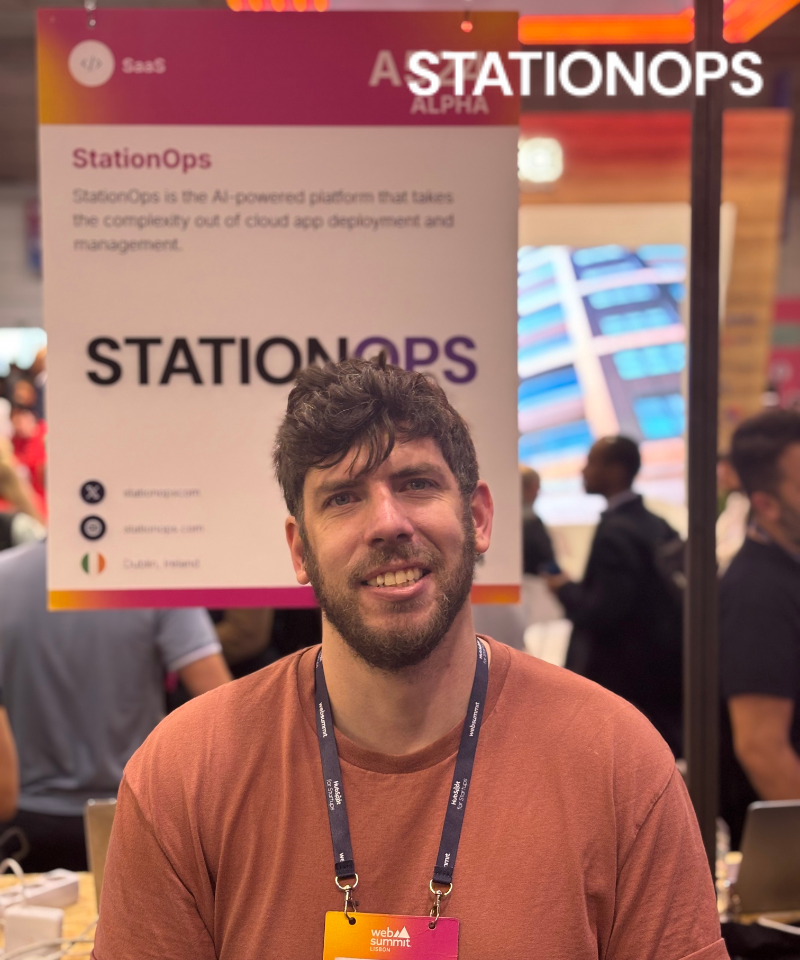 Criostóir Ó'Codlatáin Lachtna

Outside the entrance to Web Summit.
Web Summit cancelled its Wednesday programme in Lisbon after a severe weather warning. When the conference reopened on Thursday, the organisers moved some of Wednesday’s sessions into the final day. Anyone who’d tried to fit their meetings around the published timetable had some rearranging to do.
I went to Lisbon to meet fintech teams for StationOps. A conference like Web Summit is one of the few times you’ll find several of the people you want to talk to in the same place. You still have to find them, and you’ll have a few minutes to make the conversation useful. That part starts well before you get to the venue.
Work out who you want to meet
We started with the fintech and financial services filter in the attendee directory. That gave us a lot of companies, with very different reasons for being at the same event. For StationOps, a small team getting its first product into production was more relevant than an established business with a full infrastructure team. The directory could get us as far as a company name. We still had to look at what the company was building and who would be there.
Then we checked which of the startups on the shortlist had confirmed an exhibiting day. That was a separate job. A company could be listed as attending without a stand we could just walk up to. If you have a stand number, write down the day as well. If all you have is a name, send a short note with a reason for meeting and suggest a place and time.
Five names are enough to start. Write one line beside each about what you’d like to find out. A payments founder who’s about to launch might be able to tell you how they’re handling their first customer review. Someone a year further along might remember which parts of that review took longer than they expected. Both are useful conversations, and you’d ask different questions in each.
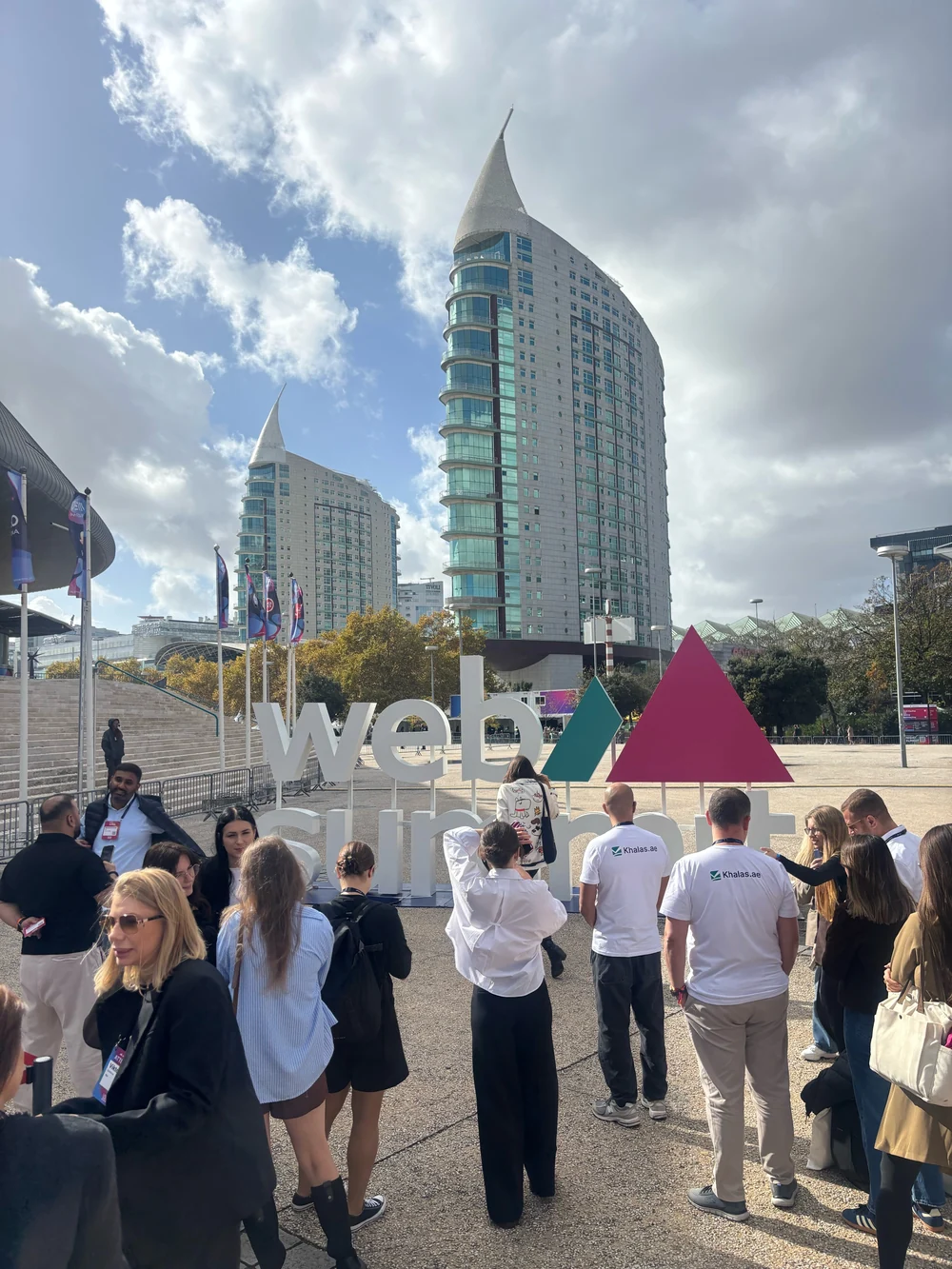
The Web Summit sign in Parque das Nações.
Ask about the last time it happened
At a stand you’ll often get the short version of a company’s pitch, because they’ve spent the day explaining what they do. Give yours briefly if they ask, then get into something concrete. If you’re researching a problem, ask when it last came up and what the team did about it. People can usually tell you more about a job they did last month than a product they might use next year.
For us, a useful question is what happened the last time a prospective customer asked how a fintech ran its cloud infrastructure. What did the customer want to see? Who in the company had to put the answers together? A founder might tell you that the questionnaire was easy to fill in, but producing evidence of a recovery test took two engineers off the product for a day. That’s an example of the detail to listen for. It tells you which part of the work may be worth solving.
The next person might say the customer never asked about recovery and cared much more about who could access production. Keep those answers separate when you compare notes. The difference could come down to the kind of customer, whether the product was live, or who already owned infrastructure on the team. Ask enough about the circumstances that you can work out which other teams to talk to when you get home.
Leave some room in the day
A timetable changes for smaller reasons than a storm. A founder gets pulled into a pitch. There’s a queue at the stand you came to see. You come out of a conversation with a name you hadn’t heard before. If you leave a gap between the things you’ve arranged, you can go and find that person or stay a little longer when somebody has more to say.
If a day does get cut, check the new schedule with your shortlist in front of you. Start with the meetings that still need to happen in person. A founder who’s back at their stand for an hour is a better use of that hour than a meeting you can just as easily have on a call next week. And if somebody can’t make the new time, you’ve already got a reason to follow up.
Give the conversation somewhere to go
I made some of my Lisbon connections through the Web Summit app. Whether you connect there or swap details at a stand, make a quick note before you move on. Put down what you talked about and anything you said you’d do. After a day on the floor, the name and company in your contacts won’t always be enough to bring the conversation back.
The first message can be short. If you offered an introduction, make it. If you were halfway through talking about how their team handles a review, say which part you’d like to pick up and offer a time. When someone has told you they’ve got plenty of help with the problem you’re working on, keep that in your notes too. It can save you chasing a sale and help you narrow down who you should be talking to.
I’d make time after the trip to look back at the questions I went out with. A conference can give you enough examples to change the next sales call or to decide which detail you need to check with another customer. That’s a useful result for a small team, even if all the conversations continue after you’re back at your desk.
At StationOps we run AWS for fintech teams that need to get through customer due diligence and still have time to build the product. That’s why we were looking for those teams in Lisbon.